Quick summary
- Typical signs of swimmer’s ear: ear pain (worse when you touch or pull the outer ear or chew), itching, a feeling of fullness, and sometimes discharge [1].
- Treatment usually means pain relief and ear drops chosen by a doctor after an examination [1].
- Do not put just any drops into the ear without checking, especially if the eardrum may be damaged, and do not clean the ear with cotton buds.
- See a doctor if the pain is strong, there is discharge, swelling or fever, if you have diabetes, or if you have had a hole in the eardrum before.
Contents
Swimmer’s ear (otitis externa) is inflammation of the skin of the ear canal. It is common in hot, humid climates after swimming in the sea or a pool, even after a shower, and after poking the ear with cotton buds. For travellers and residents in warm countries it is one of the most frequent reasons for ear pain.
Why it happens
The healthy skin of the ear canal is protected by a thin, slightly acidic layer of wax. If water stays in the ear and the skin is damaged (for example by a cotton bud or finger), bacteria, sometimes fungi, multiply in the warm, damp space. The skin swells, hurts, and the ear feels blocked.
How to recognise it
- Ear pain that gets worse when you pull the earlobe or press the small bump in front of the ear.
- Itching and a feeling of fullness; hearing can be reduced from the swelling.
- Redness and swelling of the ear canal skin, possibly discharge.
- In severe cases swelling can spread to the outer ear and the skin around the ear.
Middle ear infection can feel similar but is treated differently, so an examination is needed.
What not to do
- Do not clean or poke the ear with cotton buds, matches or hairpins.
- Do not put alcohol, peroxide or home remedies into the ear without an examination.
- Do not use antibiotic drops if you are not sure the eardrum is intact: some drops are unsafe with a hole in the eardrum. Choosing drops is the doctor’s decision.
- Do not swim or dive while the ear hurts and has not been checked.
What you can do before seeing a doctor
- Keep the ear dry: when showering, cover it with a cotton ball coated in petroleum jelly, or use a suitable earplug.
- Take ordinary pain relief as directed if the pain is strong.
- See a doctor soon rather than waiting for it to disappear.
When to see a doctor
- Moderate or severe ear pain lasting more than 1–2 days.
- Discharge from the ear, marked swelling, redness around the ear, or fever.
- Hearing clearly reduced.
- You have diabetes or a weak immune system: swimmer’s ear can be more serious.
- You have had ear surgery or a hole in the eardrum.
How it is treated
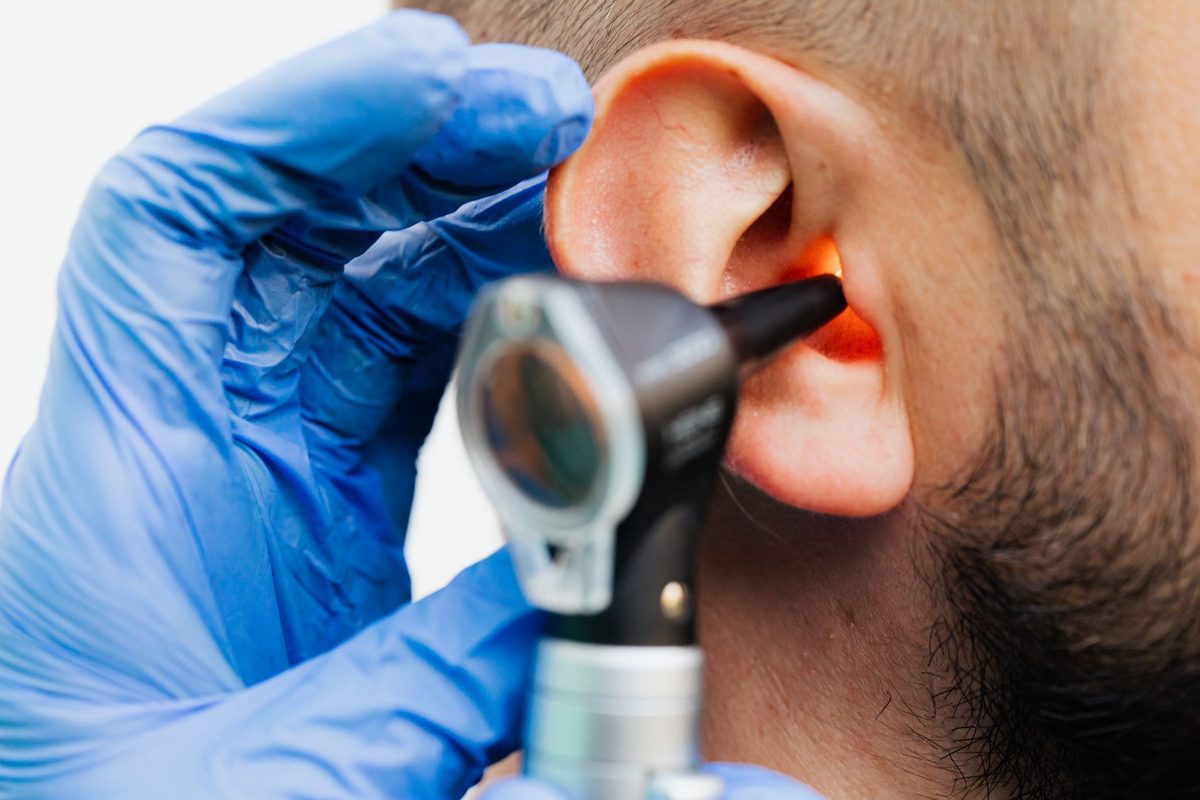
The doctor examines the ear, gently cleans the ear canal under direct view if needed, and then usually prescribes suitable ear drops and pain relief [1]. If the canal is very swollen, a small wick soaked in medicine may be placed. Most people improve within a few days. The doctor will explain how long to avoid swimming and how to protect the ear afterwards.
If earwax is part of the problem, see also: earwax removal in Nha Trang.
How to prevent it
- After swimming, tilt your head so the water runs out, and gently dry the outer ear with a towel.
- Do not use cotton buds or sharp objects in the ear.
- If you swim often and are prone to ear infections, ask a doctor about suitable earplugs and preventive products.
References
- Rosenfeld RM, et al. Clinical Practice Guideline: Acute Otitis Externa. Otolaryngol Head Neck Surg. 2014;150(1 Suppl):S1–S24.
This article is for reference only and does not replace an examination and diagnosis by a doctor.