
When to see a doctor
Signs to watch for
- A feeling of fullness or blockage in the ear, reduced hearing on one or both sides.
- Ringing in the ears or itching.
- Pain, bleeding or worse hearing after trying to clean the ear yourself.
- People who use hearing aids or earplugs regularly.
- Children who pull at the ear or seem slightly hard of hearing, possibly from wax.
Process
How is earwax removed?
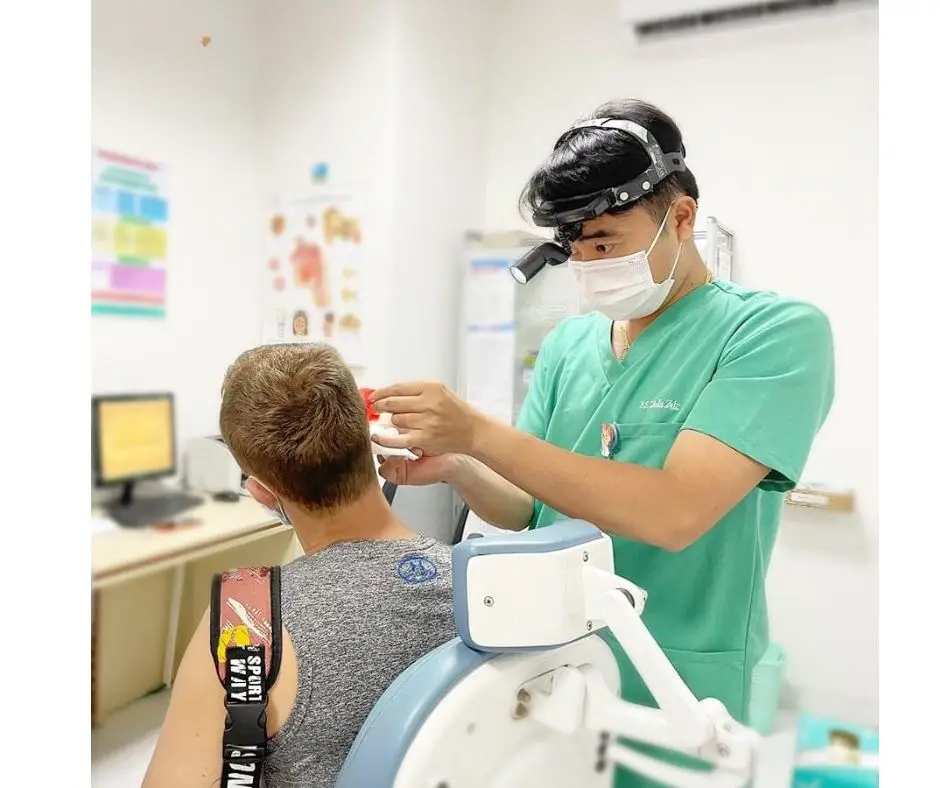
- 1The doctor asks about symptoms and examines the ear canal and eardrum, and checks the type of wax (dry, soft or hard).
- 2If the wax is hard, ear drops may be used to soften it first, then it is removed with suitable instruments or suction under direct view.
- 3Afterwards the ear canal and eardrum are checked again, and you receive advice on correct ear care.
- 4If ear canal inflammation, a middle ear infection or eardrum damage is found, the doctor treats or plans suitable care instead of only removing the wax.
Before you come
Good to know before the visit
- Do not clean the ear with cotton buds or sharp objects before the visit.
- Tell the doctor if you have ever had a perforated eardrum, ear discharge or ear surgery.
- For young children, an adult should hold the child still during removal.
Q&A
Frequently asked questions
Should I remove earwax at home?
No. Cotton buds or sharp objects can push wax deeper and scratch the canal or damage the eardrum. If your ear feels full or blocked, see a doctor.
Does earwax removal hurt?
It usually feels slightly uncomfortable or noisy. If the wax is hard, the doctor can soften it first to make it easier.
How often should earwax be removed?
Most people do not need routine removal because the ear cleans itself. Come only when you have symptoms or as advised, especially if you use hearing aids.
Read more
Related articles
Other services
ENT services
Clinic
Visit us in person
138 Đường Văn Tiến Dũng, Phước Hải, Nha Trang, Khánh Hòa
Tuesday & Thursday17:30 – 19:30
Sunday08:30 – 11:30
Other daysClosed
Because hospital duty schedules can change, please call or message before you visit.
Directions