
When to see a doctor
Signs to watch for
- Long-lasting nasal blockage, mouth breathing, snoring and restless sleep.
- Repeated middle ear infections, or fluid behind the eardrum that does not clear.
- Recurrent sinus infections with long-lasting thick nasal discharge.
- Pauses in breathing during sleep, daytime tiredness, effects on appetite and learning.
Process
From consultation to adenoidectomy
- 1Nasal endoscopy shows directly how enlarged the adenoids are and related problems such as ear fluid or sinus infection.
- 2The doctor discusses medication, observation or surgery with the parents based on symptoms and how much they affect the child.
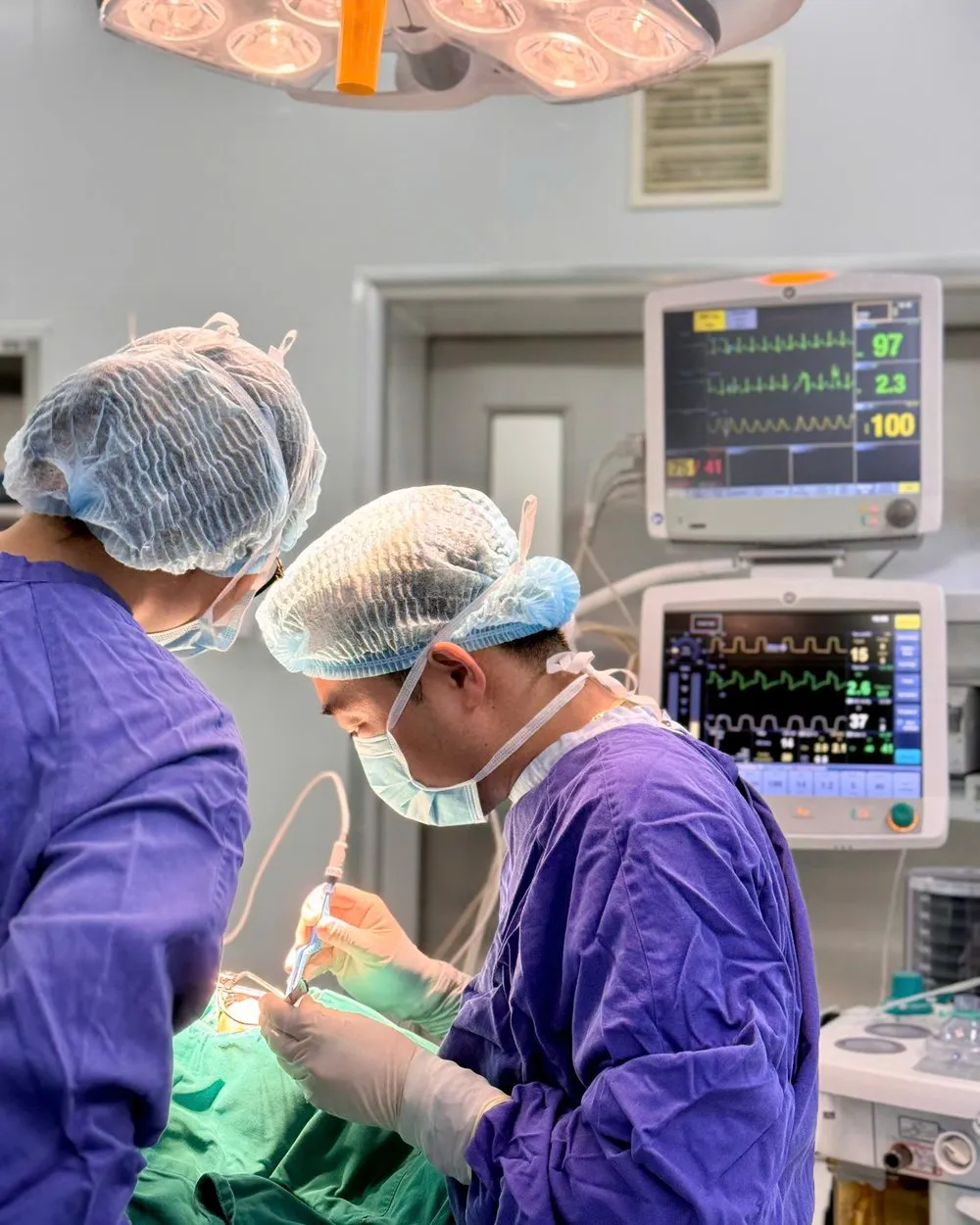
- 3When surgery is indicated, adenoidectomy is performed under general anesthesia using an endoscopic method for a clear view; technique and risks are explained before surgery.
- 4After the operation the doctor gives home-care and diet instructions and arranges a follow-up visit.
Before you come
Good to know before the visit
- Bring previous results and the medicines your child has taken.
- Note how long your child has snored, whether breathing pauses occur, and how many ear infections happened this year.
- Tell the doctor about heart or blood disorders, drug allergies, or regular medication.
Q&A
Frequently asked questions
Is adenoidectomy painful?
Surgery is done under general anesthesia, so the child feels no pain during the operation. Some throat soreness or discomfort for a few days afterwards is possible; the doctor explains how to ease it.
Can adenoids grow back?
In some children a small amount of tissue can regrow if some remains or irritation continues. Endoscopic assessment and follow-up help detect this early.
When is watching enough?
If the adenoids are large but symptoms are mild, with little effect on sleep and few ear or sinus infections, the doctor may treat medically and review later. Adenoids usually shrink with age.
Other services
ENT services
Clinic
Visit us in person
138 Đường Văn Tiến Dũng, Phước Hải, Nha Trang, Khánh Hòa
Tuesday & Thursday17:30 – 19:30
Sunday08:30 – 11:30
Other daysClosed
Because hospital duty schedules can change, please call or message before you visit.
Directions